

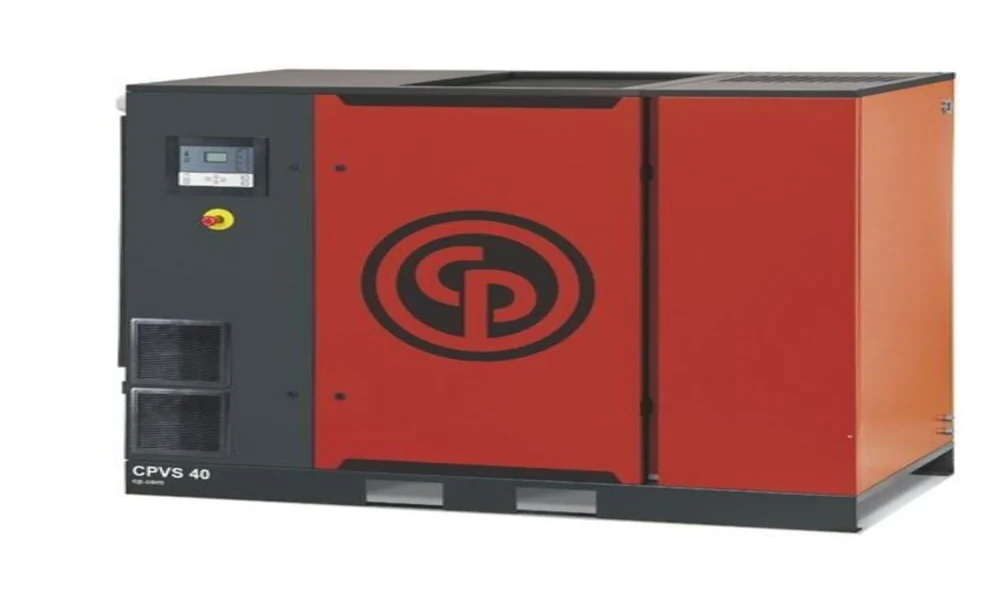
The surge in demand for electric vehicles (EVs), portable electronics and renewable energy storage has contributed significantly to the growth of lithium-ion battery manufacturing. However, manufacturing these batteries is not solely dependent on advanced chemistry and automated production equipment. Several supporting systems are required to keep the manufacturing process efficient and reliable. Compressed air is one such essential requirement.
Air compressors perform numerous functions throughout the lithium-ion battery production process. They help operate automated equipment, remove contaminants from components, support testing procedures and maintain controlled manufacturing conditions. However, the quality of compressed air is particularly important in this industry.
Lithium-ion battery manufacturing requires clean, dry and oil-free air because battery materials can be highly sensitive to contamination and moisture. Therefore, manufacturers must not only consider the availability of compressed air but also ensure that its quality complements the requirements of different production processes.
Why Is Compressed Air Essential in Battery Manufacturing?
Lithium-ion batteries are manufactured within carefully controlled production environments. Even small amounts of moisture or unwanted particles can interfere with sensitive battery materials and eventually affect the quality and lifespan of the finished product.
Compressed air provides manufacturers with a reliable and efficient source of power for performing different production activities. Moreover, pneumatic equipment can operate without introducing excessive heat or the electrical risks associated with certain alternatives.
Modern battery manufacturing facilities also depend heavily on automation. Thus, maintaining a consistent supply of compressed air becomes important for ensuring that production equipment can operate continuously (while maintaining the required levels of accuracy and cleanliness).
Key Applications of Air Compressors in Lithium-Ion Battery Production
Powering Automated Manufacturing Equipment
Modern battery manufacturing involves a considerable amount of automated equipment. Machines are used for cell assembly, material handling, inspection, packaging and several other processes where consistent movement is necessary.
Pneumatic cylinders, conveyor systems and robotic arms commonly depend on compressed air for their operation. A stable supply of compressed air allows such equipment to perform accurate and repeatable movements. Therefore, an efficient compressed air system can support production speed while reducing the possibility of interruptions caused by inconsistent equipment performance.
Drying and Moisture Control
Moisture is a major concern when manufacturing lithium-ion batteries. Battery materials can be sensitive to water vapour, and even a relatively small amount of moisture can cause unwanted reactions. This can eventually result in manufacturing defects and affect the overall quality of the battery.
Air compressors can be paired with suitable air dryers to provide dry compressed air for controlled production environments. Moisture control becomes particularly important during processes such as electrode preparation, cell assembly and electrolyte filling.
Thus, manufacturers need to consider both the compressor and appropriate air treatment equipment when managing moisture within the production facility.
Cleaning Components Before Assembly
Battery components must remain clean before they proceed to the assembly stage. Dust and other fine particles present on a component may create contamination issues without being immediately noticeable.
Clean compressed air provides a practical method of removing these particles (without requiring physical contact with delicate battery components). However, the compressed air used for this purpose must be properly filtered. Otherwise, the air itself may introduce unwanted contaminants. Proper filtration helps protect battery safety, efficiency and long-term performance during the manufacturing process.
Leak Testing Battery Cells
Quality control is another area where compressed air performs an important function. Battery cells, modules and packs must be properly sealed before they can proceed through subsequent manufacturing stages.
Compressed air is frequently utilised during leak-testing procedures to identify possible sealing defects. Detecting these issues during manufacturing adds an added quality-check filter and prevents defective components from progressing further through production. Consequently, accurate leak testing can help reduce the possibility of product failures at a later stage.
Packaging and Material Handling
The role of compressed air does not end after the primary battery manufacturing procedures have been completed. It is also utilised for operating pneumatic packaging systems, automated handling equipment and palletising systems.
The applications assist manufacturers in moving and packaging products consistently (while reducing dependence on manual handling). Therefore, compressed air parallelly plays a vital role in production efficiency and reliable product handling.
Reasons Why Air Quality Cannot Be Compromised
Compressed air may appear to be another basic utility within a manufacturing facility. However, its quality can have a direct impact on battery production. Oil, moisture and solid particles present in compressed air can potentially result in several manufacturing concerns, including:
- Product contamination
- Reduced battery performance
- Equipment wear and increased maintenance requirements
- Higher production rejection rates
- Unexpected manufacturing downtime
Therefore, relying on the compressor alone may not be sufficient. Manufacturers commonly integrate compressors with suitable air treatment equipment, including filters, air dryers and condensate management systems. The objective is to maintain a continuous supply of clean compressed air according to the requirements of the production process.
Final Overview
The continuous expansion of lithium-ion battery manufacturing makes reliable compressed air systems increasingly important. Compressed air performs several important functions throughout battery production (from powering automated equipment and maintaining dry manufacturing conditions to cleaning components and supporting leak testing).
However, manufacturers must pay equal attention to the quality of the compressed air being supplied. Clean, dry and properly treated compressed air can support efficient operations while protecting sensitive battery materials from contamination.
Chicago Pneumatic offers dependable compressors along with advanced air treatment solutions to support modern manufacturing requirements. With an appropriate compressed air system in place, lithium-ion battery manufacturers can maintain reliable production processes while meeting the required standards of efficiency and product quality.
FAQs
Why are air compressors used in lithium-ion battery manufacturing?
Air compressors are used to power automated manufacturing equipment, operate material-handling systems, support leak testing and provide clean and dry air for different stages of lithium-ion battery production.
Why is clean and dry compressed air important in battery manufacturing?
Lithium-ion battery materials can be sensitive to moisture and contamination. Therefore, clean and moisture-free compressed air helps protect these materials (while supporting consistent product quality and manufacturing reliability).
What type of air compressor is best for lithium-ion battery production?
Energy-efficient air compressors used together with suitable air treatment equipment, such as dryers and filters, can provide the clean and consistent compressed air required for lithium-ion battery manufacturing.
How does compressed air improve lithium-ion battery production efficiency?
Compressed air supports automated systems, precise manufacturing processes and consistent material handling. A reliable supply can also help minimise equipment interruptions and support higher production efficiency.
