

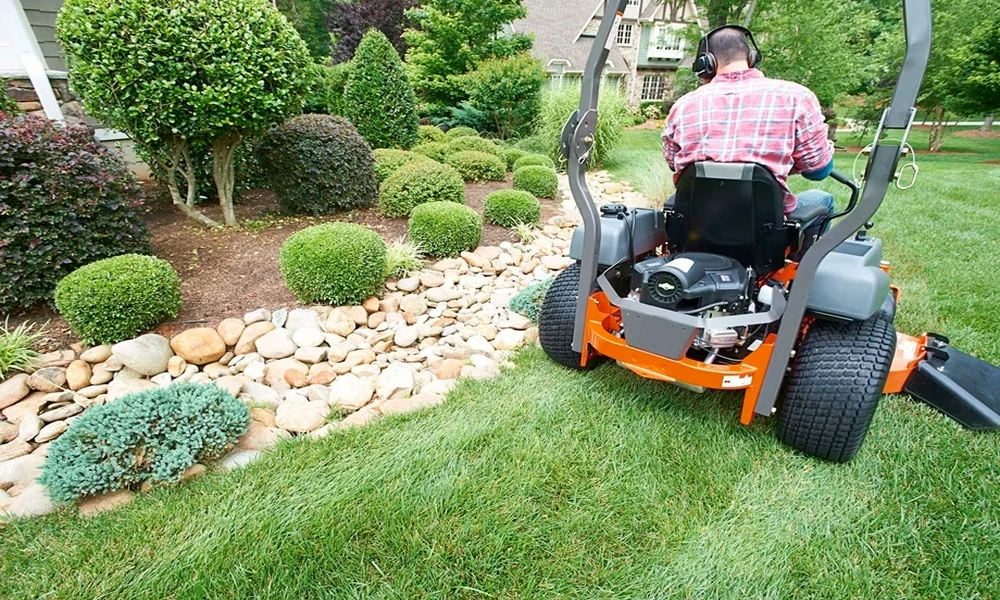
A neglected chainsaw sputtering mid-cut or a leaf blower refusing to start just as fall arrives often signals one thing: outdoor power equipment maintenance has slipped. Reliable tools make every season’s chores faster and easier, but only if they stay in top shape. Smart upkeep is the difference between a smooth-running season and an untimely breakdown.
Understanding Your Outdoor Power Equipment
Whether you’re tackling a wild backyard or prepping for a big DIY project, outdoor power equipment comes in all shapes and sizes. From lawnmowers and hedge trimmers to pressure washers and cordless leaf blowers, each tool is built for specific tasks but relies on similar core components: engines or motors, blades or cutting attachments, and, increasingly, sophisticated batteries in cordless models.
What powers these tools, gas, electric, or battery, affects both how they work and how you should care for them. Gas units require regular fuel management and winterization, while electric and battery-powered versions focus more on battery health and motor maintenance. Regardless of type, regular checks and upkeep dramatically extend the life of your investment.
Skipping routine maintenance doesn’t just lead to inconvenient breakdowns. It shortens equipment lifespan, voids warranties, and can even pose safety risks if worn parts go unnoticed.
Seasonal Maintenance Routines
Each season brings its own set of challenges and opportunities for outdoor equipment owners. In spring, fresh out of winter storage, it’s critical to inspect for rust, replace spark plugs, and check air filters. A quick sharpening of blades and a full cleaning reset your equipment for the busy months ahead.
Summer, when use peaks, calls for more frequent checks: keep air intakes clear, monitor oil levels, and keep an eye out for unusual vibrations or sounds. This is also the time to inspect cords and safety switches on electric tools, as wear can happen quickly during heavy use.
As autumn approaches and leaves clutter every surface, proper care is more about prep for storage than use. Clean off debris, empty fuel tanks for gas tools, and lubricate moving parts. For many, winter means storing these tools until spring. Protect them from freezing temperatures by removing batteries, storing them indoors, and covering larger equipment to keep out moisture.
Essential Cleaning and Inspection Practices
Keeping equipment clean isn’t just about appearances. Caked-on grass or dirt can clog motors and dull blades. Use a soft brush on vents and hard-to-reach spots. For power washers and chainsaws, carefully remove covers to clear out any gunk that could cause overheating.
Early detection of wear is key. Check for frayed cords, cracked hoses, rust spots, or loose nuts and bolts. Lubrication keeps moving components from grinding to a halt. For gas equipment, add fuel stabilizer before long storage periods, and run the engine briefly to circulate it.
Cordless models demand special attention to batteries. Store batteries indoors during cold snaps, keep contacts clean, and avoid letting them fully discharge. Many battery systems benefit from slow charging rather than rapid boosts, preserving overall battery life.
Troubleshooting Common Issues
Even with regular care, problems can pop up. Difficulty starting, rough running, or a sudden loss of power often signals clogged filters, old fuel, or a drained battery. For minor issues, replacing filters, spark plugs, or batteries is often all it takes.
If you spot leaking fuel, persistent smoke, or serious power loss, those are signs to stop and reassess. Some fixes are DIY-friendly: tighten bolts, replace a worn pull cord, or clean contacts. However, if problems persist, especially with engines or electronics, it’s best to seek professional servicing before attempting risky repairs.
Safe Storage and Handling Practices
Where and how you store your tools matters. Choose a dry, well-ventilated area, up off the floor to avoid contact with damp surfaces. For equipment using fuel, always empty tanks before storing, and dispose of old fuel safely, never pour it down drains or onto the ground.
Moisture is the enemy of longevity. Use covers for larger items, and silica gel packs or other desiccants in storage sheds to absorb excess humidity. Keeping tools organized minimizes accidental drops or damage when searching for the right piece of equipment.
Tools and Accessories That Simplify Maintenance
Quality maintenance starts with having the right tools: a basic set of screwdrivers, wrenches, wire brushes, and lubricants can tackle most upkeep tasks. Sharpening kits and cleaning sprays designed for power tools make quick work of stubborn grime and dulled blades.
Smart devices can make maintenance almost effortless. Some newer equipment pairs with apps to track usage hours, send reminders for oil changes, or help diagnose issues through onboard diagnostics.
When it comes to sourcing reliable replacement parts or upgraded accessories, it’s essential to choose a retailer known for quality and selection. Canadian homeowners often turn to GSM Depot for a wide range of power tools, batteries, and maintenance supplies that keep outdoor gear in peak condition without any guesswork.
Year-round attention means your outdoor power equipment is always ready for action, no matter the season or the task at hand. With a steady routine and smart storage, your tools will reward you with dependable performance for years to come.
