

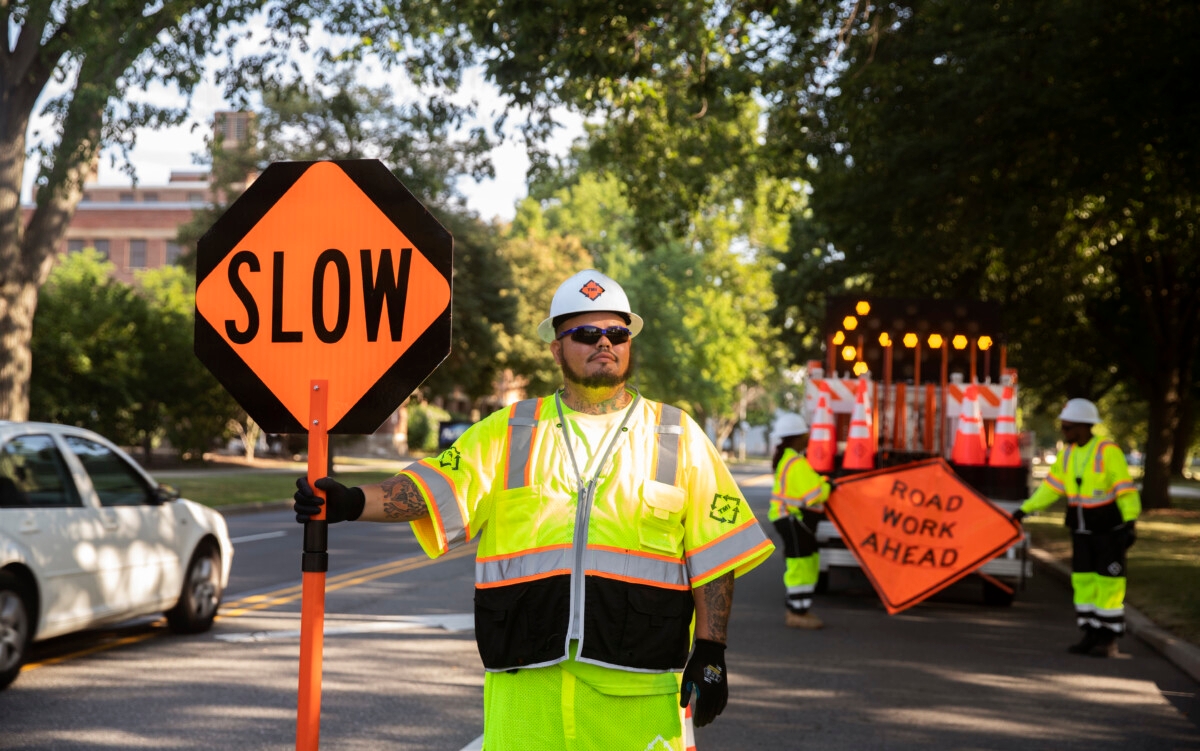
Managing the movement of vehicles, cyclists, and pedestrians in urban and construction settings requires more than just signs and cones. Effective traffic control solutions are built on strategy, compliance, and adaptability. Whether managing a bustling city intersection or ensuring worker safety near a roadwork zone, successful traffic control involves multiple components working together seamlessly.
1. Strategic Planning and Risk Assessment
Tailoring Solutions to the Environment
No two traffic control scenarios are the same. A busy downtown street will have very different needs from a suburban construction site. That’s why every effective traffic control plan starts with a thorough assessment of the site, traffic volume, pedestrian activity, and potential hazards.
Setting Clear Objectives
Planning includes determining the goals—such as minimizing congestion, ensuring public safety, or creating safe access for construction vehicles. A detailed traffic management plan (TMP) helps all parties—from contractors to municipal authorities—understand the protocols in place.
2. Trained Personnel
Certified Flaggers and Traffic Controllers
Human oversight is essential. Certified traffic control personnel are trained to direct traffic, manage road users safely, and respond to emergencies or sudden changes in the environment. Their role becomes even more crucial in high-risk zones like intersections or highway maintenance areas.
On-Site Communication and Coordination
Effective communication tools such as two-way radios, visible hand signals, and backup support teams help maintain order and respond quickly to changing conditions on the ground.
3. Signage and Road Markings
Clarity Is Safety
Proper signage is critical in helping drivers and pedestrians navigate safely through altered traffic patterns. This includes regulatory signs, warning signs, and directional indicators, all placed at strategic locations for maximum visibility.
Temporary Pavement Markings
For longer-term traffic shifts, temporary lane markers or painted guides are used to help maintain flow and prevent accidents. These markings must be reflective and weather-resistant to remain effective over time.
4. Traffic Control Devices and Equipment
Cones, Barriers, and Barricades
These physical elements provide visual guidance and separation between traffic and restricted areas. Water-filled barriers, crash attenuators, and fencing are also commonly used to protect workers and redirect vehicles.
Portable Traffic Signals and Lighting
In low-light or nighttime settings, portable traffic signals and proper lighting are vital for visibility and control. They help manage stop-and-go flow, especially where flaggers are not present.
Organizations specializing in modern control systems, like Salus Traffic Control Solutions, often deploy customized setups that integrate personnel, equipment, and planning to ensure safe, efficient operations for both public and private sector projects.
5. Compliance With Local and National Standards
Regulatory Adherence
All traffic control operations must comply with local laws and standards, such as those set by the Manual on Uniform Traffic Control Devices (MUTCD) in the U.S. or similar guidelines in other countries. Failure to meet these standards can lead to legal issues, accidents, or costly project delays.
Permits and Documentation
In many cases, permits are required before implementing traffic control measures—especially for lane closures or detours. Documentation ensures accountability and provides a clear record of the procedures followed.
Conclusion
Effective traffic control solutions are the result of detailed planning, trained personnel, appropriate equipment, and legal compliance. These components must work in harmony to protect lives, minimize disruptions, and keep projects on schedule. By partnering with experienced providers who offer complete service packages, municipalities and contractors alike can create safer, more efficient environments for everyone on the road.
