

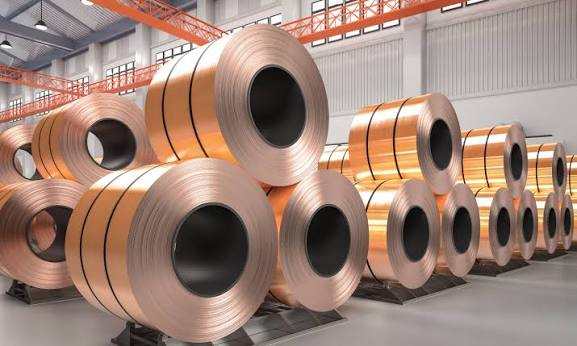
Copper rarely makes headlines because of what it looks like. Its importance comes from what it makes possible. From power grids and electric vehicles to construction, manufacturing, telecommunications, and renewable energy systems, copper is woven into the infrastructure of modern economies. That makes its price more than a commodity-market figure. It can also provide clues about industrial activity, supply conditions, investment cycles, and expectations for future economic growth.
For traders and investors, understanding copper requires looking beyond daily price movements. The metal responds to a combination of mine production, inventories, manufacturing demand, currency movements, interest rates, and broader economic expectations. When these forces align, copper can experience significant momentum. When they move in opposite directions, prices can become volatile. Understanding that relationship can help market participants interpret the global industrial cycle with greater perspective.
Copper as a Barometer of Industrial Activity
Copper’s widespread industrial use gives it an unusual connection to economic activity. When factories expand production, construction increases, infrastructure projects accelerate, or manufacturers increase orders, demand for refined copper can rise. Conversely, weaker industrial conditions can reduce consumption and place downward pressure on prices. This is why copper is frequently discussed alongside global manufacturing trends and economic cycles.
China is particularly important to the copper market because of its large role in manufacturing, construction, infrastructure, and industrial production. However, copper demand is not dependent on one economy. The United States, Europe, emerging markets, and other major industrial regions all contribute to global consumption. Changes in electricity infrastructure, data centres, transportation systems, and clean-energy investment can also influence long-term demand patterns.
The connection between copper and industrial activity is not perfect. Prices can move ahead of actual consumption because financial markets are forward-looking. Traders may respond to expectations that economic conditions will improve or deteriorate months before those changes appear clearly in production figures. As a result, copper prices can sometimes reflect expectations about the industrial cycle rather than simply current demand.
Supply Constraints Can Reshape the Market
Demand is only one side of the copper equation. Mine supply is influenced by factors that can take years to change. Developing a new mine requires substantial capital, extensive permitting, infrastructure, geological assessment, and long-term planning. Existing mines can also face declining ore grades, operational disruptions, labour issues, weather events, or regulatory changes.
This relatively slow supply response can create an important tension in the market. If demand rises quickly while new production cannot respond immediately, available material can become tighter. Market participants may then pay closer attention to inventories held by exchanges, producers, fabricators, and other participants. Low visible inventories do not automatically guarantee higher prices, but they can make the market more sensitive to unexpected disruptions.
Long-term supply considerations have therefore become an important part of copper analysis. Industry organisations, mining companies, commodity analysts, and major financial institutions regularly examine the relationship between projected production and expected consumption. These assessments can change as projects are delayed, demand forecasts are revised, or technological developments alter copper requirements.
Why Inventories Matter to Price Momentum
Copper inventories provide another useful window into market conditions. Exchange inventories are particularly visible because they offer a standardised indication of material available within monitored warehouse systems. However, they represent only part of the physical market. A complete assessment also requires consideration of inventories held elsewhere and the timing of shipments, manufacturing orders, and refinery activity.
Changes in inventories can sometimes reinforce price trends. Falling inventories alongside strong demand may suggest tightening conditions, while rising inventories can indicate that supply is exceeding immediate consumption or that buyers are becoming more cautious. Inventory movements need context. Seasonal patterns, regional warehouse flows, financing conditions, and changes in trade activity can all influence reported stock levels.
For anyone considering investing in copper, this distinction between price and physical-market conditions is particularly important. A rising price accompanied by tightening inventories may tell a different story from a rising price occurring while inventories are building rapidly. Neither situation provides a guaranteed outcome, but the combination can offer a more informative picture than price charts alone.
Conclusion
Copper occupies a unique position between the physical economy and financial markets. Its industrial importance means that changes in construction, manufacturing, electrification, and infrastructure can influence demand, while the slow process of developing new mines can create meaningful supply constraints. Inventories then provide another piece of evidence about how tightly balanced the market may be at a particular point in time.
For traders and investors, the most useful perspective is often to connect these individual signals rather than focus on any single price movement. Supply developments, inventory trends, industrial activity, monetary conditions, and longer-term infrastructure demand can each tell part of the story. By examining them together, market participants can better understand why copper moves and what those movements may reveal about the wider global industrial cycle.
